

The roofing industry has always been known for hard work, long hours, and challenging conditions. But it also carries a responsibility that every contractor must take seriously: keeping workers safe.
Recently, a tragic incident in Florida put that responsibility back in the spotlight.
According to OSHA, a roofing worker lost his life and another worker was seriously injured after falling from a two-story roof while attempting to install a tarp. Following its investigation, OSHA cited the company for multiple alleged safety violations and proposed penalties exceeding $172,000.
While the details of the case are heartbreaking, the incident serves as an important reminder for every roofing company owner, project manager, and crew leader in the industry.
The cost of neglecting safety extends far beyond financial penalties.
The Real Cost of a Roofing Accident
When contractors hear about OSHA fines, it's easy to focus on the dollar amount.
In this case, the proposed penalties exceeded $172,000.
But the true cost is much greater.
A workplace fatality impacts:
- Families
- Employees
- Customers
- Company culture
- Business reputation
- Future hiring efforts
For the family involved, the consequences are permanent.
For coworkers, the emotional impact can last a lifetime.
For the company, the financial penalties may only be the beginning.
Legal expenses, workers' compensation claims, insurance increases, project delays, and reputational damage can quickly multiply the financial impact of a single incident.
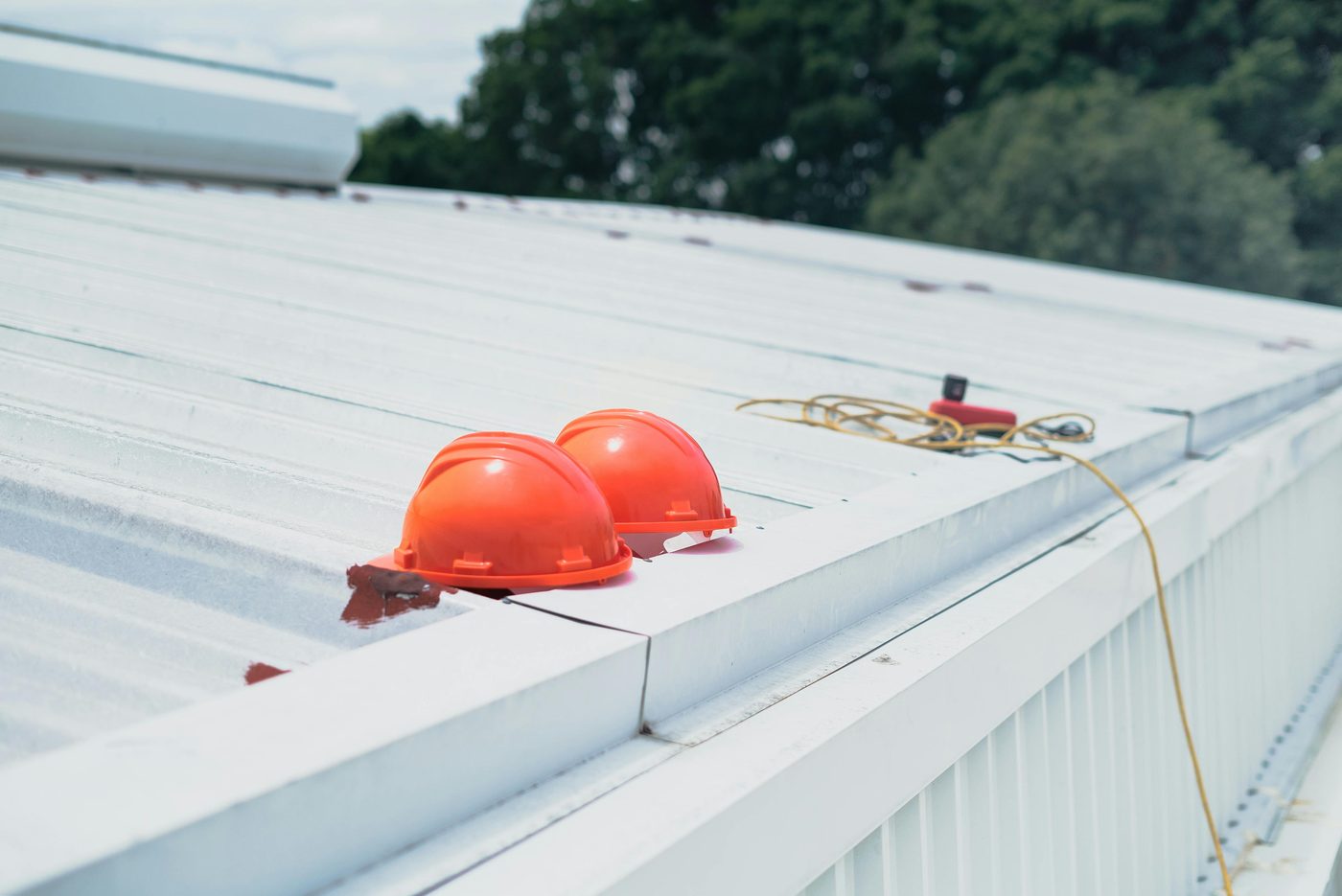
Why Falls Continue to Be Roofing's Biggest Risk
Falls remain the leading cause of death in the roofing industry.
Despite advancements in safety equipment, training programs, and OSHA regulations, roofing contractors continue to face significant risks every day.
Common causes of roofing falls include:
- Lack of fall protection
- Improper ladder use
- Unsecured roof access
- Inadequate training
- Poor jobsite planning
- Rushing to complete projects
- Failure to follow safety procedures
Many accidents occur during routine tasks that workers have performed hundreds of times before.
That's what makes complacency so dangerous.
The Pressure Contractors Face
Let's be honest.
Roofing companies operate under constant pressure.
Crews are expected to:
- Meet deadlines
- Handle weather delays
- Satisfy customers
- Manage labor shortages
- Maintain profitability
When schedules get tight, shortcuts can become tempting.
A worker may think:
"I'll just be up here for a minute."
"I don't need to tie off for this quick task."
"We've done it this way for years."
Unfortunately, accidents don't care how experienced someone is.
One moment can change everything.
What Contractors Should Learn From This Incident
Whether your company has five employees or fifty, there are important lessons that can be taken from this tragedy.
Safety Must Be a Leadership Priority
Safety cannot be treated as an afterthought.
The companies with the strongest safety records typically have leaders who consistently communicate that safety comes before production.
Employees pay attention to what leadership emphasizes.
If speed is rewarded and safety is ignored, workers will notice.
Training Is Not a One-Time Event
Many companies provide safety training during onboarding and then rarely revisit it.
The most successful contractors make safety an ongoing conversation.
Regular safety meetings, toolbox talks, and jobsite inspections help reinforce expectations and identify risks before incidents occur.
Accountability Matters
Policies only work when they're enforced.
If a company has fall protection rules but allows exceptions, those rules quickly lose effectiveness.
Every employee, from the newest laborer to the owner, must be held to the same standard.
Near Misses Should Never Be Ignored
Many serious accidents are preceded by smaller incidents that were never addressed.
A near miss is an opportunity to learn before tragedy occurs.
Contractors should encourage employees to report hazards, unsafe conditions, and close calls without fear of punishment.
The Business Case for Safety
Some contractors view safety programs as an expense.
In reality, safety is an investment.
Strong safety programs often lead to:
- Lower insurance costs
- Fewer workers' compensation claims
- Increased employee retention
- Better productivity
- Reduced downtime
- Improved company reputation
The most successful roofing companies understand that safety and profitability are not competing priorities.
They work together.
A safer company is often a more efficient company.
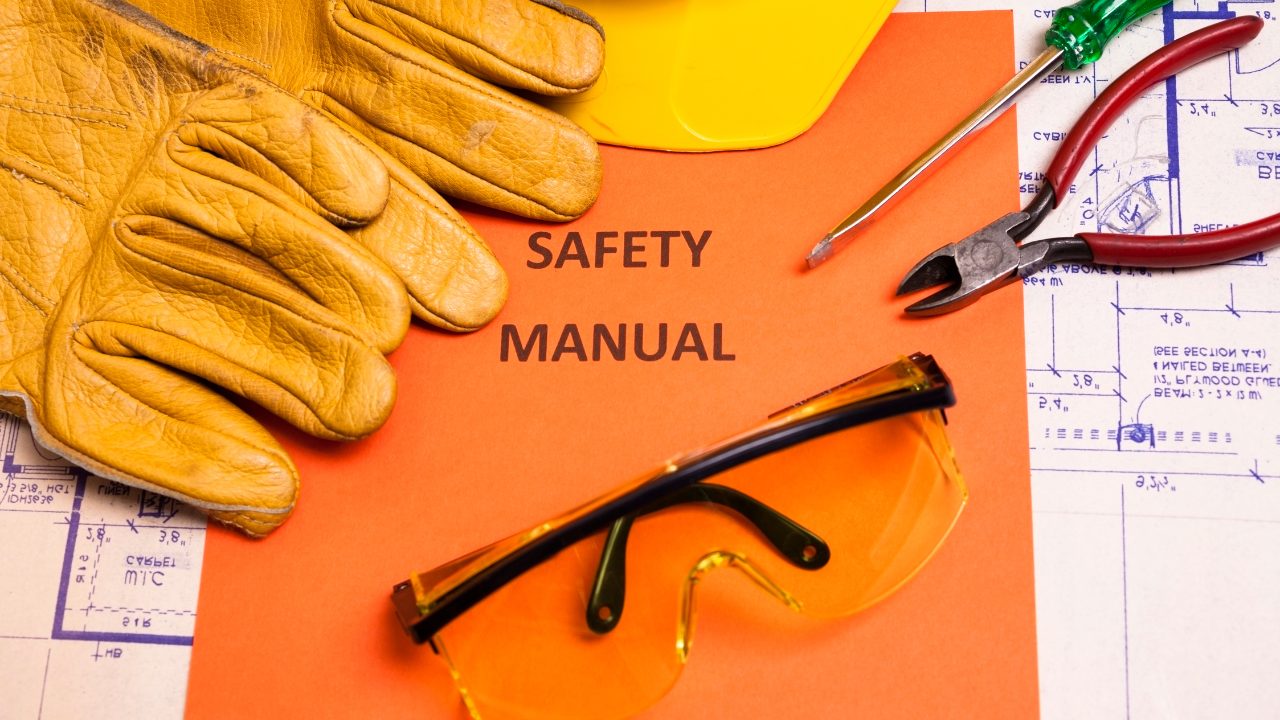
Building a Safety-First Culture
Creating a culture of safety doesn't happen overnight.
It requires consistency.
Contractors can start by:
- Conducting regular safety training
- Reviewing fall protection requirements
- Performing routine jobsite inspections
- Encouraging employee feedback
- Holding leaders accountable
- Celebrating safe work practices
Most importantly, safety must become part of the company's identity, not just a checklist.
Final Thoughts
The recent Florida roofing fatality is a sobering reminder of the risks that roofing professionals face every day.
While OSHA's proposed $172,000 penalty has generated headlines, the real story is much bigger than a fine.
A worker lost his life.
A family was forever changed.
And an entire company now faces consequences that extend far beyond dollars and cents.
As roofing contractors, we have a responsibility to learn from these incidents and do everything possible to prevent them from happening again.
Because at the end of the day, every worker deserves to go home safely.
No deadline, no project, and no profit margin is worth a life.
What Are Your Thoughts?
How does your company approach jobsite safety?
What steps have you taken to reduce risk and create a culture of accountability?
Share your thoughts and experiences with us, we'd love to hear how your team is making safety a priority.