
Roofing Insurance Non-Renewals: What Carriers Leaving Storm Markets Means for Your Business in 2026
Sep 13, 2026
For years, the roofing industry playbook was simple: a storm hits, insurance pays, you replace the roof. That model built a lot of companies.
It's cracking in 2026.
Across high-risk states, insurance carriers are pulling back from storm and hail coverage — non-renewing policies, tightening roof-age rules, and exiting markets outright. If your roofing business still depends heavily on storm-driven, insurance-funded work, this isn't a distant industry trend. It's a direct threat to your pipeline. Here's what's actually happening, why it matters, and what you can do about it.
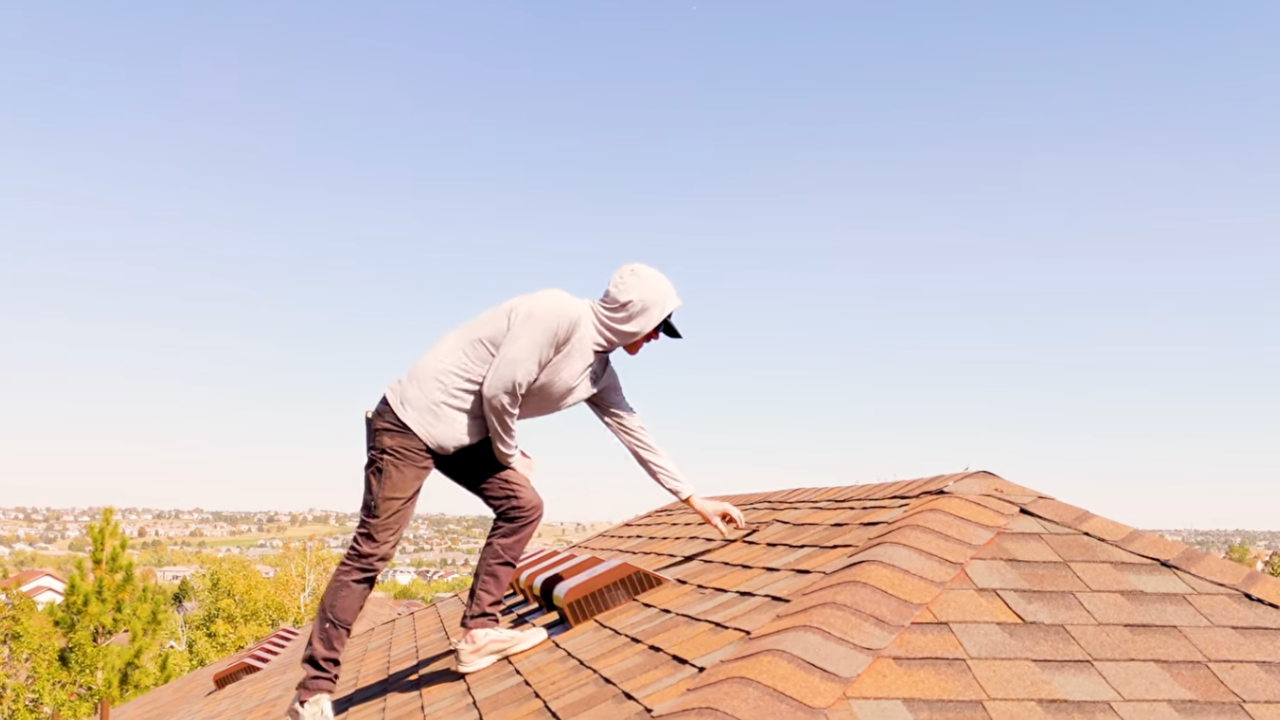
What's Actually Happening With Roofing Insurance Non-Renewals
Roofing insurance non-renewals aren't isolated incidents anymore — they're a documented, state-by-state pattern.
- Carriers are exiting entire states. In Florida, several major carriers have left the market entirely, citing roof-related claims as a primary driver, according to Mesa Underwriters Specialty Insurance. Homeowners in some regions now receive non-renewal notices with as little as six months' notice.
- It's not just Florida. Homeowners across at least six states have reported sudden non-renewal notices in 2026, according to The Queen Zone, often triggered by aerial or satellite imagery flagging roof condition — no adjuster visit required.
- Deductibles and terms are tightening. Wind and hail deductibles are shifting from flat-dollar to percentage-based structures in many storm-prone states, and several carriers have non-renewed entire books of roofing-related business in Florida, Louisiana, and coastal Texas, according to Business Insurance Health's 2026 contractor survival guide.
- The safety net is getting more expensive. When carriers exit, homeowners increasingly land on state-run FAIR Plans — higher premiums, thinner coverage, and a shrinking base of standard-market customers.
Zoom out, and the pattern is consistent: fewer storm-triggered roof replacements, less emergency demand, and more scrutiny on every claim that does get filed.
Why Carriers Are Pulling Back
This isn't carriers being difficult for the sake of it. It's risk math. Years of escalating hail, wind, and hurricane losses have pushed insurers to reduce exposure in the highest-risk regions rather than keep absorbing the losses, a shift detailed in Lightning Path Partners' 2026 roofing industry outlook. The result is a roofing industry that's splitting in two: markets where insurance-funded storm work still flows, and markets where it's drying up fast.
Why This Matters for Your Roofing Business
If storm and insurance-funded replacements make up the bulk of your revenue, roofing insurance non-renewals hit you twice:
- Fewer triggering events. Without a standard policy in place, a damaged roof is less likely to become a funded claim — it becomes a homeowner delay, or a cash-pay negotiation you weren't set up to handle.
- Longer, harder claims. The claims that do get filed face more scrutiny, more documentation requirements, and more pushback, stretching your sales cycle and your cash flow.
Companies built entirely around storm-chasing don't have a demand problem yet — they have a dependency problem. And dependency on one revenue source is exactly the kind of exposure that turns a slow season into a real crisis.
How to Protect Your Roofing Business Against Insurance Market Shifts
You can't control what carriers decide. You can control how dependent your business is on any single revenue stream. That starts with the same discipline behind every part of a well-run roofing company: systems, financial visibility, and intentional planning.
1. Know exactly how exposed you are
Pull your job data and calculate what percentage of last year's revenue came from insurance-funded, storm-triggered work versus retail, maintenance, and commercial. Most owners are surprised by the number. You can't manage a risk you haven't measured.
2. Build a retail and maintenance pipeline now — not after a slow season hits
Retail replacements, roof maintenance programs, and commercial work don't depend on a storm or a claims adjuster. They're slower to build, which is exactly why the companies that start now will be ahead of the ones scrambling later.
3. Tighten your documentation and claims process
With aerial audits and stricter underwriting now standard, according to Business Insurance Health, the contractors who win claims will be the ones with disciplined photo protocols, code documentation, and supplement processes — built and rehearsed before storm season, not during it.
4. Revisit pricing and cash flow assumptions
If deductibles are rising and claims are taking longer to pay out, your cash flow planning needs to reflect that reality. This is where financial visibility stops being a nice-to-have and becomes the difference between a company that adapts and one that gets caught off guard.
5. Diversify without losing focus
Diversifying revenue doesn't mean chasing every adjacent service. It means deliberately building one or two additional, non-storm revenue lines your team can actually execute well — with the same systems and accountability you'd apply to any other part of the business.
What This Means for Roofing Companies Long-Term
Roofing insurance non-renewals are reshaping who wins in this industry. The contractors who built their entire model around storm volume and insurance payouts are facing real exposure. The contractors who built diversified, systemized businesses — with financial visibility and multiple demand sources — are positioned to absorb the shift and keep growing.
This is the same lesson that shows up in every part of running a roofing company: you can't out-hustle a business model with a structural gap in it. You have to build the systems that catch the gap before it catches you.
Roofing Insurance Non-Renewals: FAQ
Why are insurance companies leaving high-risk roofing markets? Rising hail, wind, and hurricane losses have made storm-prone states less profitable for carriers to insure. Rather than continue absorbing those losses, many insurers are non-renewing existing policies, tightening roof-age underwriting rules, or exiting the market entirely.
How does this affect a roofing company that relies on storm work? Fewer active policies mean fewer insurance-funded claims to trigger a roof replacement. Roofing companies built primarily around storm-chasing may see demand soften even in years with significant weather activity, especially in states where carriers have pulled back most aggressively.
What should a roofing business owner do first? Start by measuring how much of your revenue actually depends on storm-driven, insurance-funded work. That number tells you how exposed you are — and whether building a retail, maintenance, or commercial pipeline needs to be a priority this year, not next year.
Build a Roofing Business That Doesn't Depend on the Next Storm
Insurance carriers aren't waiting for roofing companies to catch up, and neither should you. The businesses that will hold up through this shift are the ones with real financial visibility, diversified demand, and systems built to adapt — not the ones hoping next storm season looks like the last one.
That's exactly what we help contractors build inside The Roofing Academy.
👉 Learn more about The Roofing Academy
Learn How You Can Build Your Own Multi-Million Dollar Roofing Business
Whether you are just getting started, have an established company that needs help turning things around, or anything in between, we want to help transform your way of thinking and your business. By joining The Roofing Academy, you will also be able to meet and network with like-minded individuals with the same goals: success, freedom, and happiness.
