
State of the Roofing Industry in 2026: What Contractors Need to Know
Jan 11, 2026
As we move into 2026, the U.S. roofing industry stands at a pivotal moment. Roofing contractors are navigating a shifting landscape shaped by economic forces, workforce challenges, material cost pressures, and rapid technology adoption. Below is a breakdown of the key trends, opportunities, and challenges that roofing business owners need to understand heading into the year.
1. Roofing Demand Is Still there — But Cooling in Some Segments
One of the biggest stories from late 2025 into 2026 is that reroofing demand across North America showed signs of cooling, particularly in the third quarter of 2025. While long-term installation activity remains steady, some contractors reported a decline in customer inquiries compared to previous years, indicating softer momentum in parts of the market.
For contractors, this signals the importance of:
- Strengthening lead generation pipelines
- Diversifying residential and commercial work
- Preparing for slower demand cycles
2. Labor Shortages Remain a Top Constraint
Workforce scarcity continues to top roofing business concerns, with contractors struggling to find enough skilled labor to meet demand. In fact, national industry advocacy groups like the National Roofing Contractors Association (NRCA) have been pushing for federal action to expand worker visas and ease labor shortages.
Key takeaways for contractors:
- Hiring and retention strategies are mission-critical in 2026
- Investing in training and career pathways can give firms a competitive edge
- Legislative changes could eventually help ease talent constraints
3. Industry Outlook Mixed but Cautiously Optimistic
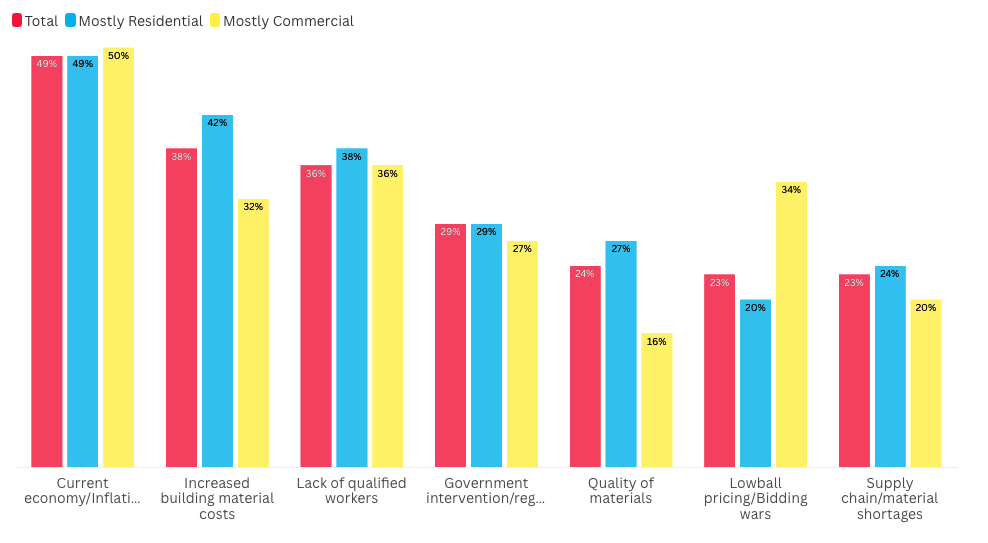
The latest State of the Roofing Industry Report and accompanying expert Q&A show the industry entering 2026 with guarded realism. While some segments are feeling pressure from broader economic and regulatory forces, others see moderate growth potential — especially in commercial roofing and replacement markets.
The key themes industry leaders are highlighting include:
- Moderate growth expectations rather than rapid expansion
- Importance of operational efficiency and financial discipline
- Focus on backlog management and cost containment
This nuanced picture means planning and agility matter more than ever.
4. Tech and Innovation Are Re-Shaping How Roofing Gets Done
Technological adoption continues to accelerate in roofing — not just as a buzzword, but as a practical strategy for performance and competitiveness.
Recent reports show:
- Growing use of AI and automation tools to streamline operations and administrative tasks
- Increased adoption of drones and digital measurement tools for inspections
- Early applications of AI-driven systems that reduce inefficiencies and improve accuracy on estimates and workflows
For contractors in 2026, technology isn’t optional — it’s a differentiator that can boost productivity, accuracy, and safety.
5. Safety Still a Top Priority Industry-Wide
Safety is more than a compliance checkbox — it’s a business imperative.
As the industry gears up for the International Roofing Expo (IRE) 2026, safety discussions are taking center stage, with a strong focus on reducing jobsite hazards and preventing falls — the leading cause of severe injuries in roofing.
Taking proactive steps toward a safer jobsite can:
- Reduce insurance costs
- Improve crew retention and morale
- Protect your company’s reputation
6. Market Growth and Long-Term Trends Remain Positive
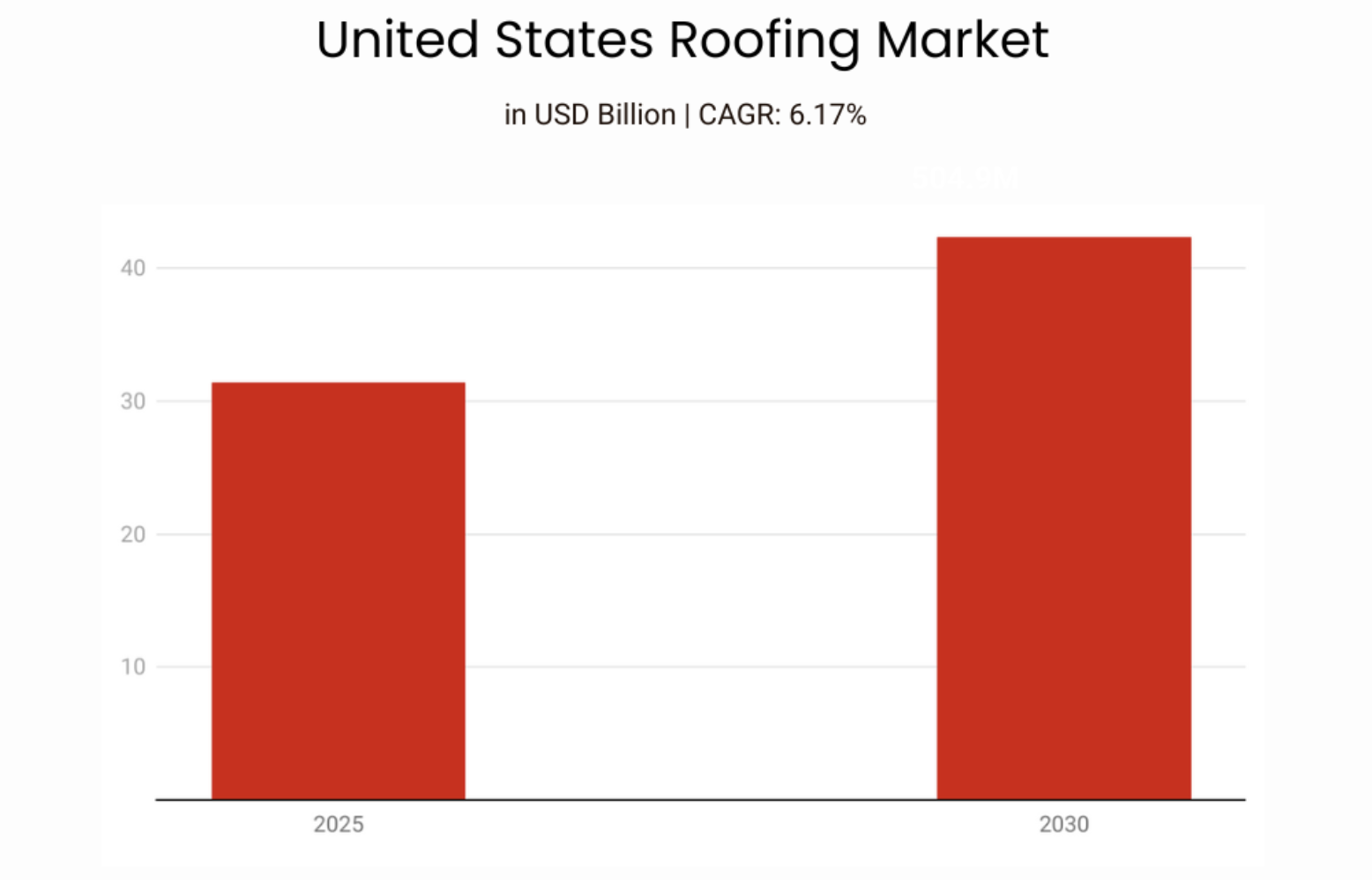
Despite short-term softness in certain areas, broader industry data suggests that the U.S. roofing market is expected to continue expanding through the decade, with notable growth in both residential and commercial roofing activity. According to recent market projections, the U.S. roofing sector may grow steadily with increasing demand for replacement, storm-driven projects, and sustainable roofing solutions.

What Roofing Business Owners Should Focus on in 2026
Here are the strategic imperatives that successful roofing companies are prioritizing this year:
🔹 Diversify Your Lead Generation
Don’t depend on one source — use digital marketing, referral programs, and community partnerships.
🔹 Invest in Workforce Development
Training, apprenticeships, and intentional hiring strategies pay off in retention and productivity.
🔹 Embrace Technology
Operational software, AI tools, and advanced measurement platforms help control costs and reduce manual work.
🔹 Build Financial Resilience
With changing demand levels, contractors should keep a close eye on cash flow, margins, and backlogs.
🔹 Prioritize Safety
Proactive safety programs protect crews and contribute to long-term sustainability.
Final Thought: 2026 Isn’t Business as Usual
The roofing industry in 2026 is influenced by a blend of macroeconomic forces, changing demand curves, and strategic shifts toward efficiency and modernization. It’s no longer enough to show up with a ladder and tools — roofing business success now depends on operational excellence, strategic planning, and forward-thinking leadership.
Contractors who adapt to these trends, listen to market signals, and build structurally sound business processes will be the ones who thrive in the year ahead.
Learn How You Can Build Your Own Multi-Million Dollar Roofing Business
Whether you are just getting started, have an established company that needs help turning things around, or anything in between, we want to help transform your way of thinking and your business. By joining The Roofing Academy, you will also be able to meet and network with like-minded individuals with the same goals: success, freedom, and happiness.
